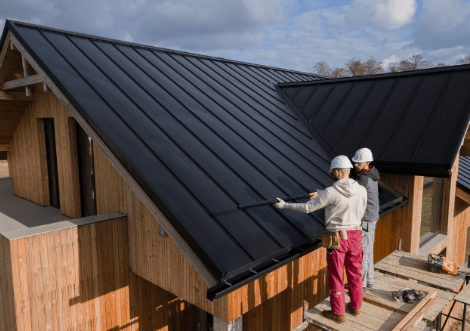
Building a house is an exciting yet challenging endeavor that involves multiple steps, and understanding the stages of building a house is essential for any homeowner planning to create their dream home. From the initial planning phase to the final touches, every stage plays a critical role in ensuring a successful and smooth construction process. In this article, we’ll break down the steps to build a house, explain the process of building a house, and explore what to expect during each phase of your new home construction process.
Stages of Building a House: What You Need to Know
Building a house from scratch requires a combination of careful planning, coordination, and quality craftsmanship. Understanding the steps in building a house can help set clear expectations and prepare you for what’s to come.
Step 1: Planning and Design
The first stage in the stages of building a house involves planning and designing your new home. This includes:
- Designing the layout: Create a floor plan that meets your needs and fits within your budget.
- Choosing materials: Select materials that align with your vision and budget for the home’s exterior, structure, and interior.
- Securing permits: Apply for permits and adhere to zoning laws in your area.
The planning phase is crucial because it sets the foundation for the entire new home construction process. Having a clear and realistic design is key to avoiding delays and cost overruns.
Step 2: Site Preparation
Once you’ve finalized the design and permits are approved, the next phase is preparing the site for construction. The process of building a house begins with clearing the land, leveling the ground, and ensuring proper drainage. A site survey is conducted, and utilities like water and electricity are brought in.
This phase is significant because proper site preparation can prevent future problems, such as flooding or structural issues. Additionally, the foundation of the house is laid in this phase.
To learn more, explore our residential home building services.
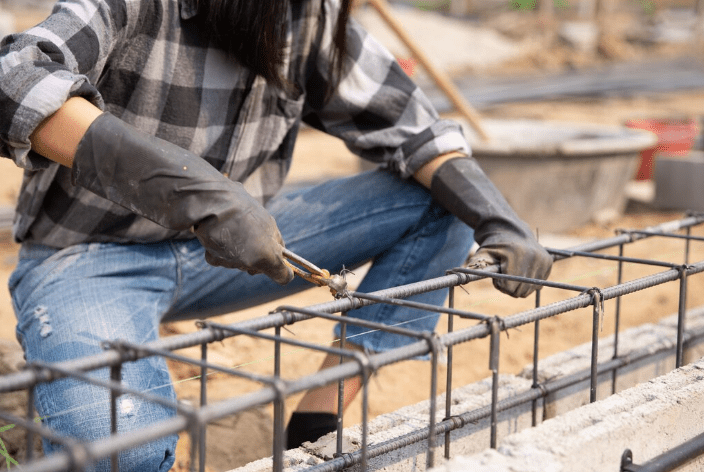
Step 3: Laying the Foundation
The foundation serves as the core of your house and is one of the most critical aspects of the steps to build a house. During this stage, the concrete slab or basement walls are poured, and the foundation is set to ensure your home stands solid and secure.
Types of foundations include:
- Slab-on-grade foundations (a flat concrete slab)
- Crawl space foundations (raised above the ground)
- Basement foundations (providing extra space under the home)
The foundation stage is vital because it sets the tone for the structural integrity of your home.
Step 4: Framing and Structure
With the foundation complete, the framing stage begins. This is where the skeleton of your home takes shape, including the walls, roof, and floors. During this phase, carpenters will build the framework of the house, which includes:
- Installing windows and doors
- Framing the roof (trusses, beams)
- Running electrical wiring and plumbing
The framing process brings the home to life and is one of the most visually satisfying stages. It’s essential that the framing be completed correctly to avoid future complications with the roof or interior walls.
Final Stages of Building a House: From Roofing to Interior Finishes
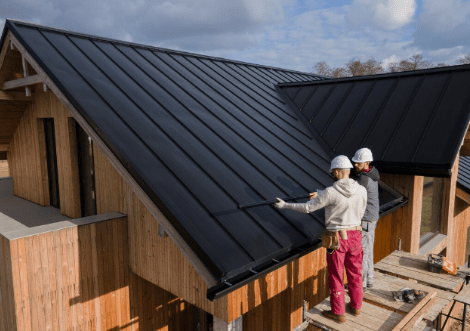
Step 5: Roofing and Exterior Work
After the framing is complete, the next phase focuses on the roof and exterior finishes. The roof is installed with materials like shingles or metal roofing. Afterward, exterior features such as:
- Siding (vinyl, wood, or brick)
- Windows and doors
- Paint and final touches
This stage is important because it shields the home from the elements and begins to give it its final appearance. It also sets the stage for finishing the interior.
You can explore areas we serve to see how we can assist with your next home-building project.
Step 6: Interior Work
Now that the exterior is complete, it’s time for the interior work, which includes:
- Plumbing and electrical installations
- Insulation
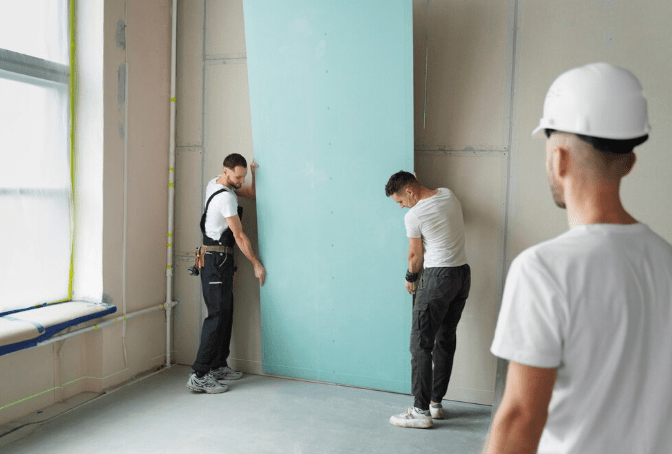
- Drywall installation
- Flooring, cabinetry, and countertops
The interior work ensures your home is both livable and functional. This phase is highly customizable, allowing homeowners to select finishes that suit their style and needs.
Step 7: Final Touches and Inspections
Once the interior is done, the final touches are added:
- Painting
- Installing fixtures (lighting, appliances)
- Cleaning and removing construction debris
Before you move in, your new home will undergo several inspections to ensure it meets building codes and safety standards. After passing the inspections, the home is officially ready for occupancy.
What Are the 5 Stages of Building a House?
To recap, the stages of building a house generally follow this flow:
- Planning and Design: Finalize designs, budgets, and permits.
- Site Preparation: Clear the land and establish the site.
- Foundation: Lay the groundwork and pour concrete.
- Framing: Build the structure and install essential utilities.
- Roofing and Exterior: Finalize the outer structure and exterior finishes.
Each of these stages is critical for a smooth new home construction process. Having the right professionals guiding you through the steps in building a house ensures your home will be safe, stylish, and built to last. Learn more about our work process.
Final Thoughts
Understanding the stages of building a house can make the journey of creating your dream home smoother and less stressful. Whether you are building from scratch or looking to make modifications, knowing the steps to build a house and what to expect at each stage ensures your project stays on track. If you’re ready to start your new home construction process, don’t hesitate to reach out to us.
FAQ
The timeline varies, but a typical new home construction project takes between 6 months to a year, depending on the complexity of the design and any weather delays.
Building a house can cost anywhere from $150,000 to over $500,000, depending on location, size, and the quality of materials. Budgeting carefully in the early stages can help prevent costly mistakes.
In most cases, no. It’s important to allow the construction process to be completed without interfering with work, especially during the early and mid-phases.