Building a home addition or starting a custom build from scratch is one of the biggest investments you’ll ever make – financially and emotionally. The difference between a smooth, successful project and a costly nightmare often comes down to one decision: who you hire. Hiring a custom home builder or contractor you can trust sets the tone for everything that follows – timelines, budgets, quality, and peace of mind.
Whether you’re wondering how to find a good contractor, searching for the right team for an addition, or starting from scratch on a custom build, the process deserves real care and attention. How to find a contractor for home addition projects and how to find a home builder in your area are two of the most common questions homeowners ask – and the answers matter more than most people realize. How to choose construction contractors wisely can mean the difference between a project that adds lasting value and one that drains your resources and patience.
This guide walks you through every step of finding, vetting, and hiring the right professional for your project.
Why Hiring the Right Contractor Is the Most Important Decision You’ll Make
It’s tempting to focus on design inspiration, materials, and finishes before you’ve even found your builder. But experienced homeowners will tell you the same thing: the contractor comes first. Everything else – the timeline, the quality, the budget – flows from that choice.
The True Cost of a Bad Hire
A poorly vetted contractor can derail a project in ways that go far beyond inconvenience. Unlicensed or underqualified builders have left homeowners with structural issues, code violations, incomplete work, and legal disputes that drag on for years. In worst-case scenarios, projects get abandoned mid-build after deposits are paid and materials are ordered.
What the Right Contractor Actually Delivers
A skilled, reputable contractor brings more than just labor. They bring local code knowledge, vetted subcontractors, supplier relationships, project management experience, and accountability. When you’re adding an addition to your house, having a contractor who anticipates problems – not just reacts to them – is what keeps your project on track and on budget.
How to Find a Home Builder in Your Area: Where to Start
Knowing where to look is the first practical step. The good news is that quality contractors leave a trail – if you know where to find it.
Start With Referrals From People You Trust
Word of mouth remains the single most reliable source for contractor leads. Ask neighbors who’ve recently completed renovations, friends who’ve built or remodeled, or your local real estate agent. People who’ve been through a project firsthand can tell you not just whether the work looked good, but what the experience of working with a contractor was actually like.
Use Verified Online Directories
Platforms like the National Association of Home Builders (NAHB) directory, Houzz, and the Better Business Bureau allow you to search for licensed contractors in your area and review verified credentials and ratings. These aren’t foolproof, but they’re a solid starting point for building a list of candidates.
Drive Your Neighborhood
If you see a home addition or new build underway near you, don’t hesitate to stop and ask who’s doing the work. Active job sites are a window into how a contractor actually operates – is the site organized, are workers professional, is equipment well-maintained? These details tell you a lot.

Ask Your Local Permit Office
Your city or county building department can confirm which contractors are actively pulling permits in your area. A contractor who consistently pulls permits is one who builds to code and understands accountability – a great signal when you’re learning how to find a home builder in your area.
How to Choose Construction Contractors: The Vetting Process
Once you have a shortlist, the real work begins. Vetting contractors properly takes time, but it protects you from the most common and costly hiring mistakes.
Verify Licenses, Insurance, and Bonding
This is non-negotiable. Every contractor you seriously consider should carry a valid state contractor’s license, general liability insurance, and workers’ compensation coverage. Ask for copies of each and verify them directly with the issuing authority – don’t just take a contractor’s word for it. An unlicensed or uninsured contractor leaves you personally liable for accidents, injuries, or damage that occur on your property.
Review Their Portfolio With a Critical Eye
A strong portfolio tells you whether a contractor has experience with the specific type of project you’re undertaking. Home additions require different expertise than ground-up construction or kitchen remodels. Look for projects similar in scope and complexity to yours, and ask to visit a completed project in person if possible.
Check References – and Actually Call Them
Most contractors will provide references. Most homeowners never call them. Don’t make that mistake. When you speak to past clients, ask specific questions: Was the project delivered on time? Did the final cost match the estimate? How did the contractor handle unexpected issues? Would you hire them again without hesitation?
Look Up Their History With the BBB and State Licensing Board
A quick search with the Better Business Bureau and your state contractor licensing board can reveal complaints, disciplinary actions, or license suspensions that wouldn’t come up in a standard Google search. This step takes five minutes and can save you an enormous amount of trouble.
How to Find a Contractor for Home Addition Projects Specifically
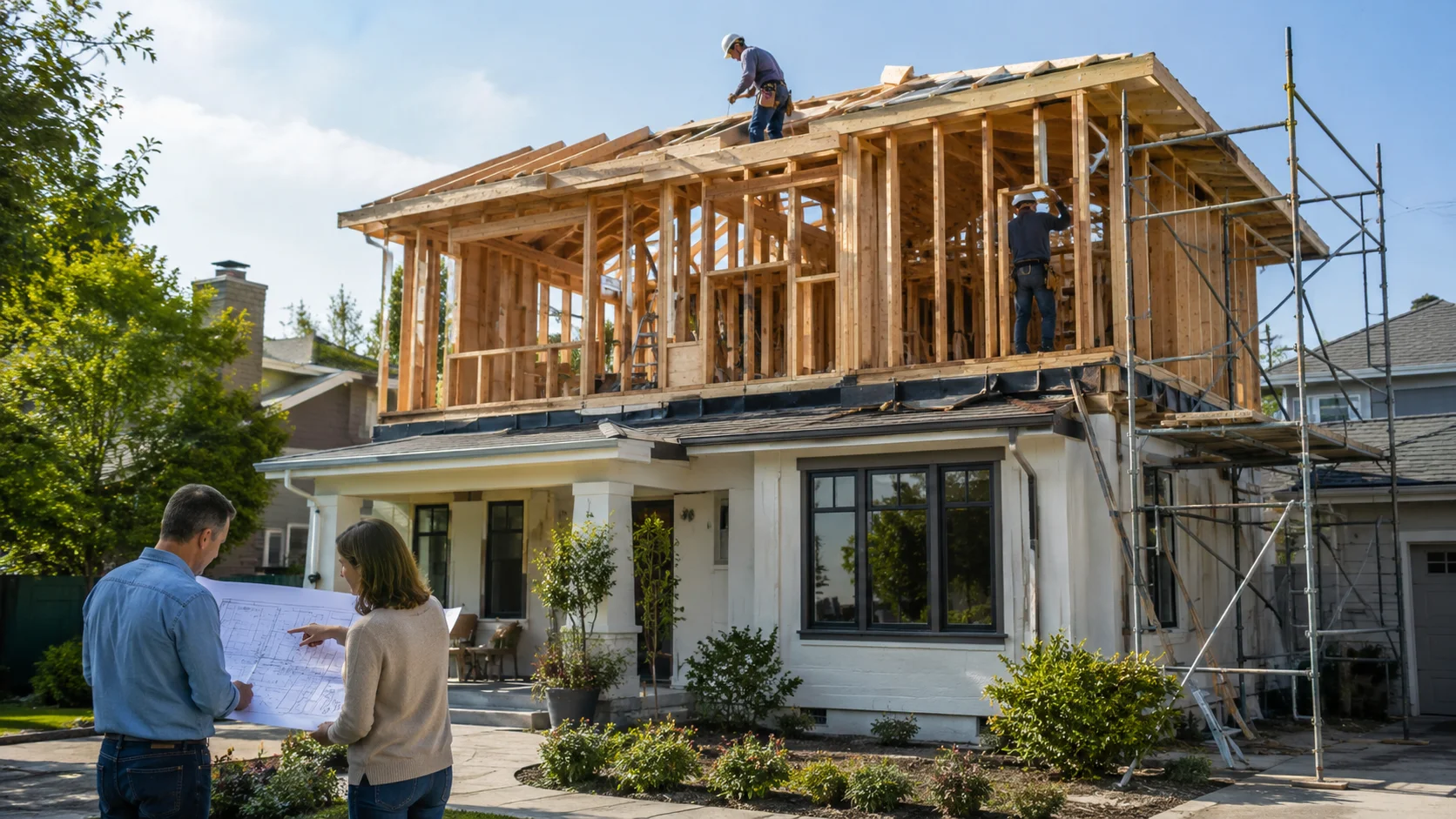
Adding onto an existing home presents unique challenges that not every contractor is equipped to handle. The work involves tying new construction into an existing structure – matching foundations, rooflines, framing, and finishes in a way that looks and performs seamlessly.
Look for Experience With Additions Specifically
When hiring a custom home builder or addition specialist, prioritize contractors who have a dedicated track record with additions rather than those who do them occasionally. Additions require expertise in structural integration, and mistakes at this stage are costly to fix after the fact.
Understand the Design-Build Advantage
Design-build firms – those that handle both the architectural design and the construction under one roof – can be particularly valuable for complex additions. The coordination between designer and builder is built in from day one, which reduces miscommunication, shortens timelines, and typically results in better cost control. If you’re still weighing your options, exploring the perspective of custom home builders on renovation versus new construction can help you clarify your approach before you start talking to contractors.
Get at Least Three Bids – and Read Them Carefully
Never accept the first bid you receive. Getting at least three detailed proposals gives you a real basis for comparison and helps you understand what a fair market rate for your project looks like. More importantly, read each bid carefully. A suspiciously low bid often means the contractor is cutting corners, using lower-grade materials, or planning to hit you with change orders later. Look for detailed line-item breakdowns, not just a single lump sum.

Red Flags to Watch Out For When Hiring a Contractor
Knowing what to avoid is just as important as knowing what to look for. According to the Federal Trade Commission’s consumer guidance on hiring contractors, homeowners should be especially cautious of these warning signs:
They Ask for a Large Upfront Deposit
A reasonable deposit to secure your place on a contractor’s schedule is normal – typically 10–20% of the project cost. Any contractor asking for 50% or more upfront before work begins is a major red flag. Reputable contractors have the financial stability to begin work without requiring a large advance.
They Can’t Provide Proof of Insurance or Licensing
If a contractor hesitates, deflects, or provides documents that don’t check out when you verify them, walk away. No legitimate contractor should have trouble producing current proof of license and insurance on request.
They Pressure You to Decide Immediately
High-pressure sales tactics – “this price is only good today” or “I have another client ready to take this slot” – are manipulation strategies, not business practices. A reputable contractor will give you time to review proposals, ask questions, and make a considered decision.
They Suggest Skipping Permits
Any contractor who suggests avoiding permits to “save money” or “speed things up” is putting you at serious legal and financial risk. Unpermitted work can result in fines, required demolition, and major complications when you sell your home. Permits exist to protect you.
Getting Bids and Comparing Proposals the Smart Way
Once you’ve vetted your shortlist and confirmed credentials, it’s time to get formal proposals. Here’s how to make sure you’re comparing them on equal footing:
Provide every contractor with the same detailed written scope of work – the same plans, specifications, materials list, and project description. This is the only way to ensure bids are genuinely comparable rather than based on different assumptions.
Review each proposal for what’s included and what’s excluded. Pay close attention to allowances – placeholders for items like fixtures and finishes where you haven’t made final selections. Low allowances are a common way contractors artificially lower a bid, only to charge more when you choose actual products.
Ask each contractor about their subcontractor relationships. Who will be doing the electrical, plumbing, and HVAC work? Are those subcontractors their regular partners, or are they sourcing them for the first time? Established subcontractor relationships signal a contractor who runs organized, professional projects.
Conclusion
Finding the right professional for your project doesn’t have to be overwhelming – but it does require a deliberate, informed approach. From referrals and portfolio reviews to license verification and bid comparison, every step in this process is designed to protect your investment and set your project up for success. How to find a good contractor comes down to doing the work upfront so you’re not solving problems mid-build.
Take your time, ask hard questions, and don’t let price alone drive your decision. The right contractor brings value that far exceeds their fee.
Ready to start your home addition or custom build with a team you can trust? Explore the full range of services at BCI Design Build and connect with experienced professionals who bring your vision to life from the first conversation to the final walkthrough.
FAQ
For a home addition or custom build, start your search at least three to six months before your desired start date. Reputable contractors book up fast, especially during peak building seasons in spring and summer.
A standard deposit is typically between 10% and 20% of the total project cost. Payments should then be tied to project milestones – not arbitrary dates or contractor requests.
A general contractor manages the overall construction process and coordinates subcontractors. A custom home builder typically offers a more comprehensive service that may include design, project management, and construction under one umbrella – making them well-suited for complex, full-scope projects.